
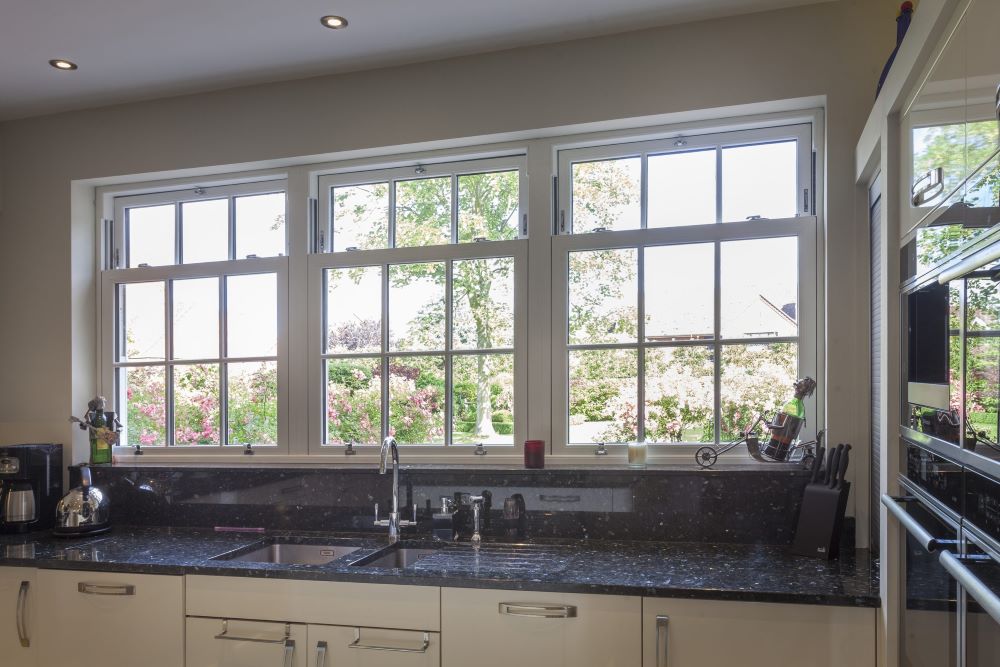
A trade-focused look at specialist heritage sash manufacturing.
When you’re working on period properties, heritage-led developments, or character-sensitive new builds, sash windows are rarely a simple box-ticking exercise. Installers and developers know that planners, architects, and homeowners are far more switched on than they used to be – and generic “sash-style” products often don’t cut it.
Rather than reviewing multiple brands at surface level, this article focuses on how Quickslide approaches heritage-style sash windows, and why that matters from a trade and development perspective
Why Heritage-Style Sash Windows Still Matter on Trade Projects
Across the UK, a huge proportion of housing stock still falls into Victorian, Edwardian, and early 20th-century styles. Add to that the number of conservation areas and heritage-influenced planning requirements, and sash windows remain a regular specification challenge.
From a trade point of view, the risks are clear:
- Products that look too bulky
- Incorrect proportions that stand out on elevations
- Detailing that fails planning scrutiny
- Callbacks from homeowners unhappy with the finished look
This is where specialist heritage-style sash manufacturing becomes important, not just “a sash window”, but one that understands traditional design.
What Trade Professionals Mean by “Heritage-Style”
For installers and developers, heritage styling goes well beyond adding horns to a frame. Key elements typically expected on heritage-led projects include:
- Slim sightlines that closely match original timber sashes
- Authentic sash horn options, including run-through designs
- Correct glazing bar layouts, not over-heavy or purely decorative bars
- Balanced proportions, particularly bottom rail depth
- Traditional colour palettes suitable for period architecture
When any of these are off, the window can look noticeably modern – even to non-specialists.
Quickslide’s Focus on Heritage-Style Sliding Sash Windows
Quickslide is unusual in that sliding sash windows aren’t a side product – they’re a core specialism. From a trade perspective, that shows in the level of attention given to period detail rather than mass-market compromise.
Their heritage-style approach is designed to suit:
- Victorian terraces
- Edwardian bay-fronted homes
- Georgian-inspired new builds
- Renovation and regeneration projects
Rather than trying to appeal to every window type, the product development centres around replicating traditional sash aesthetics in a modern uPVC system.
Modern uPVC That Works for Period-Led Projects
Timber still has its place, but many installers and developers now favour uPVC on heritage-style jobs for practical reasons:
- Consistent factory quality
- Lower long-term maintenance
- Predictable lead times
- Easier compliance with modern performance standards
Advances in profile design and manufacturing mean modern uPVC sash windows can now closely mirror traditional timber frames, provided the system has been designed with heritage in mind from the outset.
For trade customers, this often translates into fewer issues on site and fewer objections post-install.
Design Details That Matter on Site
On heritage-focused jobs, small details make a big difference. Installers regularly flag the following as key decision points:
- Sash horns that don’t look added on as an afterthought
- Proportionally correct meeting rails
- Flush finishes that sit naturally within existing reveals
- Hardware options that complement traditional interiors
These elements help ensure the finished installation blends in rather than stands out – particularly important on terraces or street-facing elevations.
Working in Conservation Areas and Sensitive Locations
While planning approval is never guaranteed, heritage-accurate sash window design can make discussions smoother. Local authorities are typically more receptive when replacement windows:
- Retain original sightlines
- Match existing window layouts
- Avoid overly modern finishes
- Respect the character of the building
For developers, this can reduce delays. For installers, it can mean fewer redesigns and less back-and-forth with clients once work is underway.
Who Heritage-Style Sash Windows Are Best Suited For (Trade View)
From a practical standpoint, heritage-style sash windows are commonly specified on:
- Period property refurbishments
- Conservation-area replacements
- Character-led housing developments
- High-end extensions on older homes
They’re particularly useful where planners or architects want traditional appearance without the long-term upkeep associated with timber.
What This Means for Installers and Developers
Heritage-style sash windows are no longer a niche requirement – they’re a regular part of UK trade work. The difference between a smooth project and a problematic one often comes down to how well the window system understands traditional design.
For installers and developers, working with a manufacturer that specialises in heritage-style sliding sash windows can reduce risk, improve finish quality, and help meet both aesthetic and performance expectations, without turning every job into a bespoke headache.