
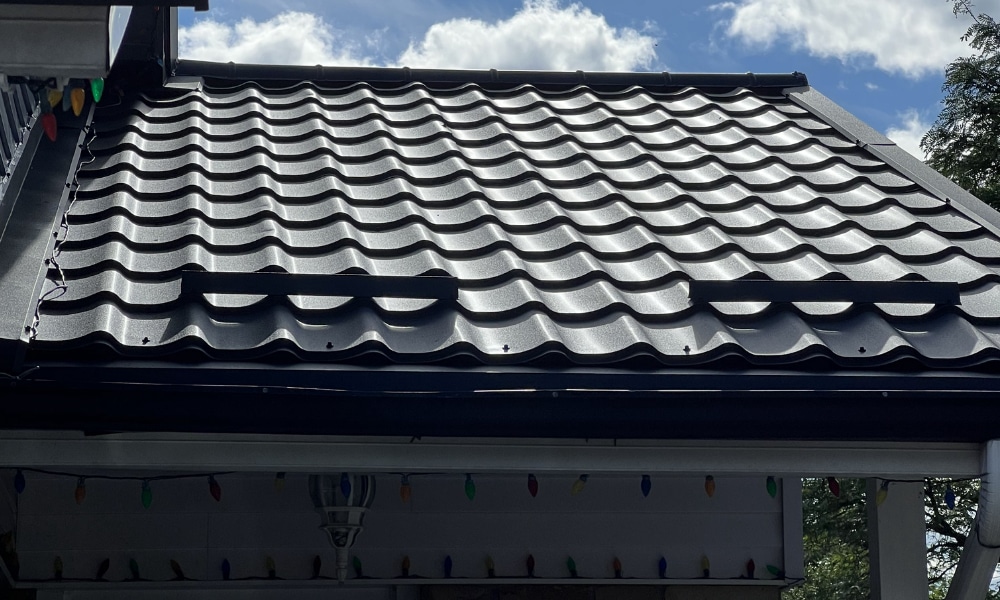
For homeowners planning a roof replacement, the decision often comes down to durability, long-term value, and confidence in how the home will be protected for decades to come. As more people move away from short-lived roofing materials, metal roofing has become a serious consideration rather than a niche upgrade. While it is widely recognized for its strength and longevity, many homeowners begin the process without fully understanding how different a metal roof is from traditional options. Knowing what to expect before installation helps homeowners make decisions that feel informed rather than rushed, especially when the roof is something they will live under every day.
Metal roofing is not simply a visual change or a premium material swap. It alters how a home responds to weather, manages temperature, and ages structurally over time. Homeowners who take the time to understand these differences before installation are far more likely to feel confident in their investment and avoid second-guessing their decision years later.
Why Metal Roofing Is Fundamentally Different From Other Roofing Materials
Metal roofing behaves very differently from asphalt shingles and other conventional materials, and these differences explain both its performance advantages and its installation requirements. Unlike shingles, which rely on layered overlap to shed water, metal roofing functions as an engineered system designed to move, breathe, and protect as a whole. Its ability to expand and contract with temperature changes is a normal and expected characteristic, not a flaw, but it must be accommodated properly.
Because metal roofing sheds water and snow efficiently, it reduces many of the moisture-related issues that affect traditional roofs over time. At the same time, its responsiveness to temperature means the roof must be installed with precise spacing, fastening methods, and detailing. Homeowners who understand this distinction early are better prepared to evaluate installation quality rather than assuming the material alone guarantees long-term performance.
Why Installation Quality Matters as Much as the Material Itself
One of the most important things homeowners should know before installing metal roofing is that the material’s lifespan is directly tied to how well it is installed. Even the highest-quality metal panels can underperform if critical installation details are overlooked or rushed. Underlayment selection, ventilation design, flashing integration, and fastening techniques all play a role in how the roof performs over time.
These components are not easily visible once the roof is complete, which is why homeowners often underestimate their importance. A properly installed metal roof works quietly and consistently in the background, while poor installation choices can lead to issues that surface years later. Understanding what proper installation involves allows homeowners to ask better questions and feel more confident in the system protecting their home.
How Metal Roofing Handles Weather and Temperature Changes
Weather performance is one of the strongest reasons homeowners consider metal roofing, especially in regions that experience snow, ice, heavy rain, or extreme temperature swings. Metal roofs are highly effective at shedding snow and ice, which helps reduce buildup that can strain a structure or contribute to moisture issues. Rainwater flows quickly across the surface, minimizing the risk of pooling or absorption.
Temperature changes, however, require thoughtful design. Metal reacts quickly to heat and cold, expanding and contracting as conditions shift. When installation accounts for this movement, the roof performs exactly as intended without issue. When movement is restricted or ignored, problems such as fastener fatigue, noise, or premature wear can develop. Understanding this behaviour helps homeowners appreciate why metal roofing must be treated as a system rather than a simple surface covering.
Understanding the True Cost Beyond the Initial Price
The upfront cost of metal roofing is often higher than asphalt shingles, which can cause hesitation for homeowners comparing estimates. However, focusing solely on initial price can be misleading. Metal roofing is designed to last significantly longer than traditional materials, often outlasting multiple shingle replacements over the same time span.
In addition to longevity, metal roofing typically requires less maintenance and can contribute to improved energy efficiency depending on the home’s design and insulation. Over time, these factors help offset the initial investment. Homeowners who evaluate cost from a long-term perspective often find that metal roofing aligns well with both financial planning and peace of mind.
Comfort, Noise, and the Living Experience
Noise is one of the most common concerns homeowners have when considering metal roofing. Many people assume that rain or hail will be noticeably louder, but modern metal roofing systems installed over proper decking and insulation do not amplify sound in the way older or improperly installed systems might have.
Comfort inside the home is influenced far more by insulation, ventilation, and attic design than by the roofing material itself. A properly installed metal roof can contribute to a stable, comfortable interior environment rather than detract from it. Understanding this helps homeowners separate outdated assumptions from modern building practices.
Maintenance Expectations Over Time
Metal roofing is often described as low-maintenance, but homeowners need to understand that low-maintenance does not mean no maintenance. Periodic inspections, debris removal, and attention to sealants or fasteners help ensure the roof continues to perform as intended.
Unlike shingles, metal does not crack, curl, or absorb moisture, but it can still be affected by environmental factors such as debris impact or improper foot traffic. Knowing what maintenance realistically involves helps homeowners plan appropriately and extend the life of their roof even further.
Visual Style and Architectural Compatibility
Metal roofing offers a wide range of profiles, finishes, and colours, making it suitable for many architectural styles. Choosing a design that complements the home rather than overwhelms it helps maintain curb appeal and long-term value.
Homeowners who consider the roof as part of the overall exterior design often feel more satisfied with the final result. Aesthetic decisions made thoughtfully tend to age better and support resale value down the line.
Long-Term Value and Future Resale
A properly installed metal roof is often viewed as a strong asset by future buyers, particularly those who value durability and low maintenance. This benefit is most pronounced when installation quality is documented and warranties are clearly understood.
Keeping records of installation details, materials used, and maintenance history helps reinforce confidence for future buyers and adds credibility to the investment. Transparency supports long-term value and reduces uncertainty during resale.
Making an Informed Decision Before Installation
Installing a new roof is not something homeowners do often, which is why preparation matters. Understanding how metal roofing behaves, what proper installation involves, and how long-term costs compare helps homeowners make decisions with clarity rather than uncertainty.
When chosen thoughtfully and installed correctly, metal roofing offers a rare combination of durability, performance, and long-term value. Taking the time to understand these factors before installation ensures that the roof remains a source of confidence rather than questions for years to come.