
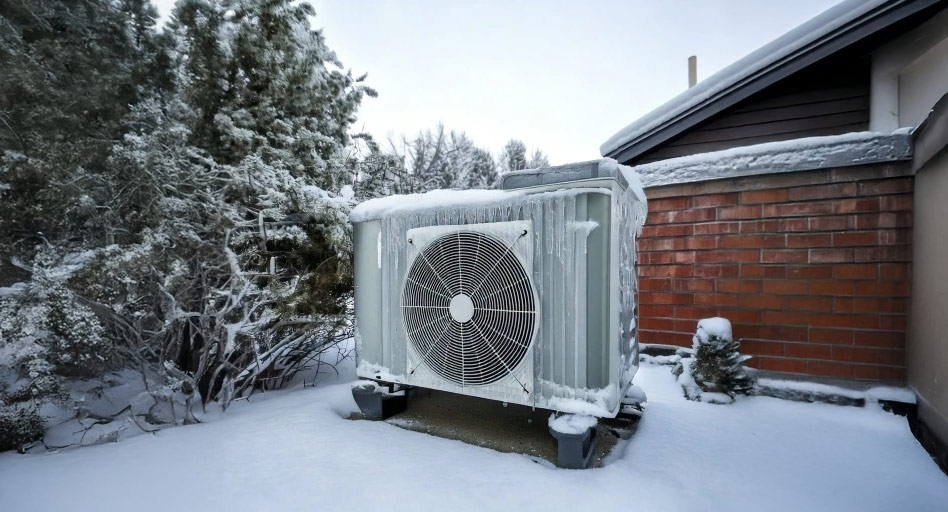
Heat pumps are designed to handle cold weather, but if you have ever walked outside and seen your unit covered in thick ice, it can be alarming. Is that normal, or is something wrong with the system?
The truth is that a light layer of frost is completely normal during winter operation. However, heavy ice buildup can block airflow, reduce efficiency, and even damage important components if it is not addressed.
So how can homeowners prevent ice buildup on a heat pump? Let’s take a closer look.
Why Ice Forms On Heat Pumps
Heat pumps work by pulling heat from outdoor air, even when temperatures are cold. During this process, moisture in the air can collect on the outdoor coil and freeze. Normally, the system automatically runs a defrost cycle to melt that frost before it becomes a problem.
Trouble starts when airflow is restricted or when certain mechanical issues prevent the system from defrosting properly. That is when frost can turn into thick ice that covers the entire unit.
Keep Airflow Around The Outdoor Unit Clear
One of the most important steps is maintaining clear airflow around the outdoor heat pump. Snow, leaves, and debris can easily build up around the unit during winter.
Try to keep at least two feet of open space on all sides of the heat pump. Regularly clear away snow and fallen branches so the system can breathe properly. Good airflow helps the unit exchange heat efficiently and reduces the chance of excessive icing.
It is also important to avoid covering the entire unit with a protective cover while it is operating. Blocking airflow can trap moisture and make icing worse.
Replace Filters And Maintain Indoor Airflow
Many homeowners do not realize that indoor airflow problems can also lead to ice outside. When the air filter becomes clogged, the system cannot move enough air through the indoor coil. This causes temperatures to drop and can start the freezing process.
Replacing your air filter every one to three months helps maintain proper airflow and keeps the system running smoothly.
Make Sure Water Drains Properly
Water drainage is another key factor. Heat pumps should be slightly elevated above the ground so melted frost can drain away. If water pools around the base of the unit, it can refreeze and create a layer of ice that builds upward over time.
Check nearby gutters and downspouts as well. If they drain directly onto the outdoor unit, excess moisture will increase the risk of icing.
Schedule Regular Heat Pump Maintenance
Professional maintenance is the best way to prevent serious ice problems. A trained technician can inspect the defrost cycle, refrigerant levels, and electrical components to ensure everything works correctly.
Local experts like HELP Plumbing, Heating, Cooling, and Drains understand how winter conditions in the Cincinnati area affect heat pumps. Our technicians can catch small issues early before they turn into costly repairs.