
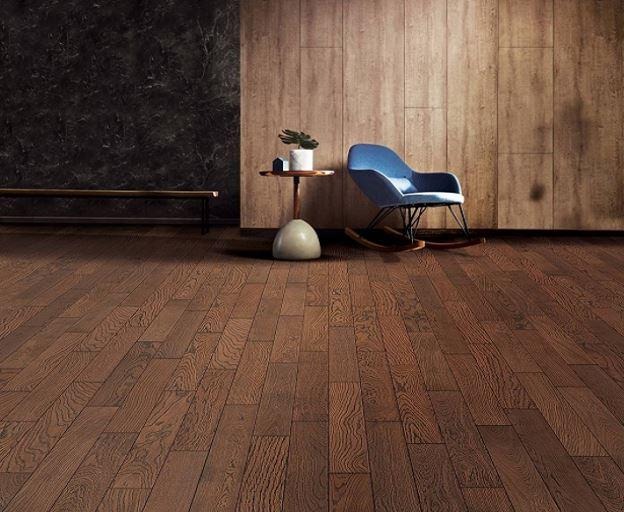
Parquet flooring is widely admired for its timeless beauty, elegant patterns, and natural wood appeal. Whether installed in a home, office, or commercial space, Parquet Flooring instantly enhances the aesthetics of any interior. However, like any premium flooring option, parquet requires proper care and maintenance to preserve its charm and durability over time.
With the right maintenance routine, parquet floors can remain beautiful for decades. In this guide, we will explore expert tips and practical strategies to keep your parquet flooring looking clean, polished, and new.
Understanding the Nature of Parquet Flooring
Before discussing maintenance, it is important to understand what makes parquet flooring unique. Parquet is created by arranging small wooden pieces in decorative geometric patterns such as herringbone, chevron, or basket weave. Because it is made from real wood, it reacts to environmental factors like humidity, temperature, and moisture.
Proper maintenance helps protect the wood from scratches, stains, and moisture damage while maintaining its natural finish.
Compared with other flooring options like Laminate Flooring, LVT Flooring, Wooden Flooring, and WPC Flooring, parquet flooring requires slightly more attention, but the visual reward and long-term durability make it worth the effort.
1. Clean Your Parquet Flooring Regularly
Regular cleaning is the most important step in maintaining parquet flooring. Dust, dirt, and debris can act like sandpaper and slowly damage the wood surface if left unattended.
Recommended cleaning routine:
Sweep the floor daily with a soft broom.
Use a microfiber dust mop to remove fine dust.
Vacuum the floor weekly using a hardwood-friendly attachment.
Avoid using vacuums with rotating brush heads because they can scratch the wood surface.
Keeping the floor free from dust and grit helps preserve its smooth finish and prevents premature wear.
2. Use the Right Cleaning Products
Using the correct cleaning products is essential for maintaining the finish and structure of parquet flooring. Harsh chemicals and excessive water can damage the wood and cause warping or discoloration.
Best practices include:
Use cleaners specifically designed for wood floors.
Avoid ammonia-based or acidic cleaning solutions.
Use a damp mop instead of a wet mop.
Excess water is one of the biggest threats to wooden floors. Always wring out the mop thoroughly before cleaning the surface.
3. Protect the Floor from Scratches and Furniture Damage
Furniture movement is a common cause of scratches on parquet flooring. Chairs, tables, and heavy furniture can easily damage the delicate wood surface.
To prevent scratches:
Place felt pads under furniture legs.
Use area rugs in high-traffic areas.
Avoid dragging furniture across the floor.
Place protective mats near entryways.
These small precautions can significantly extend the life and appearance of your flooring.
4. Control Indoor Humidity Levels
Since parquet flooring is made from natural wood, it expands and contracts with changes in humidity and temperature. Extreme fluctuations can lead to gaps, swelling, or warping.
To maintain stability:
Keep indoor humidity between 40% and 60%.
Use a humidifier during dry seasons.
Use air conditioning during humid months.
Maintaining a stable indoor climate helps prevent structural issues and preserves the integrity of the flooring.
5. Quickly Clean Spills and Stains
Spills should never be left unattended on parquet flooring. Liquids can penetrate the wood and cause permanent damage if not cleaned immediately.
If a spill occurs:
Wipe it immediately using a dry cloth.
Clean the area with a slightly damp cloth.
Dry the floor thoroughly.
Avoid allowing water, juice, coffee, or cleaning chemicals to sit on the surface for extended periods.
6. Polish and Refinish When Necessary
Over time, parquet flooring may begin to lose its shine due to daily wear and tear. Polishing and refinishing can restore its original beauty.
Polishing:
Polishing the floor occasionally can enhance its shine and add a protective layer.
Refinishing:
If the floor becomes heavily scratched or dull, sanding and refinishing may be required. This process removes the top layer and applies a new finish, making the floor look brand new again.
Most parquet floors can be refinished several times throughout their lifespan.
7. Use Rugs and Mats Strategically
Rugs and mats not only add decorative value but also protect parquet flooring from heavy foot traffic and dirt accumulation.
Place rugs in areas such as:
Entryways
Hallways
Living room seating areas
Under dining tables
Entry mats are especially useful because they trap dirt, moisture, and debris before they reach the flooring.
8. Avoid High Heels and Hard Shoes
Sharp heels and hard-soled shoes can dent or scratch wooden flooring surfaces. Encouraging family members and guests to remove shoes indoors can help protect parquet flooring.
Many homeowners adopt a no-shoes policy inside the house to maintain flooring quality.
Long-Term Benefits of Proper Maintenance
Maintaining parquet flooring is not difficult when done consistently. With regular cleaning, moisture control, and protective measures, parquet floors can last for decades while maintaining their elegant appearance.
Well-maintained parquet flooring offers:
Long-lasting durability
Enhanced property value
Timeless visual appeal
Comfortable and warm surfaces
It remains one of the most sophisticated flooring choices for both residential and commercial spaces.
Conclusion
Vinyl flooring combines beauty, craftsmanship, and durability, making it a favorite choice for interior designers and homeowners. However, maintaining its elegance requires proper care and attention.
By following expert tips such as regular cleaning, protecting the surface from scratches, controlling humidity, and refinishing when necessary, you can keep your parquet flooring looking stunning for many years.
With the right maintenance routine, Parquet Flooring will continue to enhance the beauty and sophistication of your interior spaces for generations.