
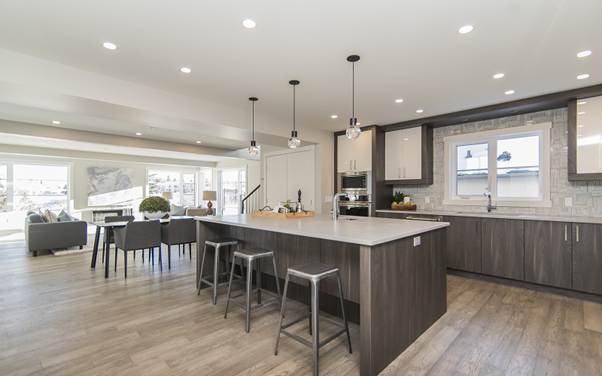
Track lighting has gained popularity in Singaporean homes and commercial spaces for its sleek design, versatility, and directional control. Whether you’re lighting up your living room or creating focused spots in a gallery, this system offers unmatched flexibility. One common question homeowners and designers ask is: Can you mix and match track lights? The answer depends on several key factors, including compatibility, aesthetics, and functionality. If you’re considering LED track lighting for your next project, this guide will help you make the right decisions.
Understanding How Track Lighting Works
To decide if mixing and matching track lights is possible, it’s important to understand the basic design of track lighting systems. Track lights consist of a linear track mounted to a ceiling or wall, which supplies electricity to individual light heads. These heads can be repositioned along the track, allowing users to direct light wherever it’s needed.
In Singapore, homeowners often use this system to illuminate specific areas such as kitchen islands, hallway art pieces, or reading corners. It’s a popular choice because of its modularity, but not all tracks and fixtures are created equal. There are various types of tracks (commonly H-type, J-type, and L-type), and each has specific requirements regarding compatibility with light fixtures. This technical detail is critical if you plan to mix light heads from different brands or styles.
Compatibility Is Key
When attempting to mix and match, the first thing to check is whether the light heads are compatible with the track itself. Mixing two different systems—such as a J-type head with an H-type track—won’t work even if the designs look similar. This limitation means you should stick to one track system type when selecting your fixtures. If you’re using a track light in Singapore, consult with your lighting supplier to confirm the technical compatibility of all components.
Beyond electrical compatibility, consider the wattage and voltage requirements of your track heads. Mixing lights with drastically different outputs might affect overall performance and could even pose safety risks. If you’re aiming for variation, ensure that all your lights operate within the same electrical specifications.
Aesthetic Considerations When Mixing Styles
Mixing and matching track lights isn’t just a technical issue—it also impacts visual harmony. In spaces like living rooms or retail settings, inconsistent lighting styles can appear disjointed or chaotic. A well-planned combination, on the other hand, can create a layered and dynamic atmosphere.
Try mixing finishes within a unified theme. For example, you might combine matte black cylindrical heads with white conical ones to add contrast while still maintaining balance. Singaporean interior designers often blend different light shapes and angles to highlight various room features such as textured walls, bookshelves, or statement furniture pieces. However, restraint is key. Overdoing it can make a room feel cluttered or mismatched.
If you’re using LED track lighting in a minimalist home, opt for heads that share similar lines or shapes but vary slightly in size or finish. This subtle contrast adds character without overwhelming the room’s design.
Functionality: Purpose-Driven Mixing
When considering whether to mix and match, always return to the purpose of your lighting. Are you aiming to create mood lighting for relaxation, task lighting for food preparation, or accent lighting for artwork? Different tasks require different light intensities and beam angles.
Singaporean households with open-plan layouts may find value in combining wide-angle ambient lights with narrow-beam task lights—all mounted on the same track. This not only maximises utility but also keeps the ceiling clean and uncluttered. Before installing, plan the layout and test combinations to ensure lighting zones transition smoothly and serve their intended function.
If you’re buying a track light from a furnishing company for a kitchen, for example, you might combine spotlight heads for counters and broader heads for the dining space—all on a single track. This unified system looks polished while supporting diverse daily activities.
Conclusion
So, can you mix and match track lights? Yes, but only when done with intention and attention to detail. Compatibility, visual coherence, and functionality should guide your decisions. With thoughtful planning, mixing styles within a unified track system can elevate both aesthetics and performance. As more homes and offices in Singapore embrace flexible lighting, track systems offer a great solution that blends style with practicality.
To learn more about track lighting options and get expert advice, get to know more about Sense N Bedeck today for personalised recommendations tailored to your space.