
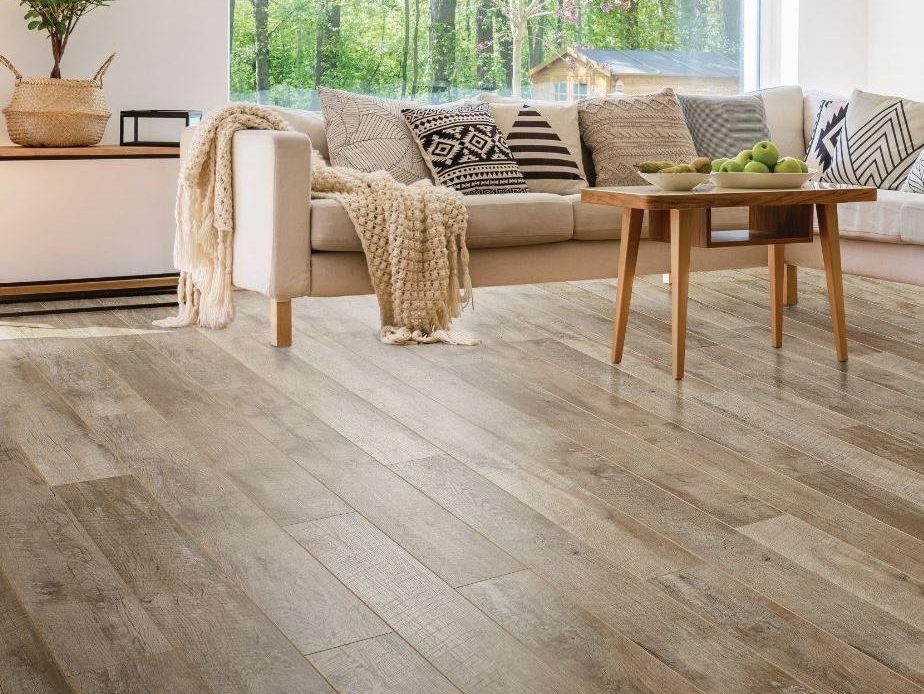
Flooring is one of the most powerful design elements in a home. It sets the tone for your space, influences the perception of size, and complements the overall décor. In contemporary interiors, one of the freshest trends is mixing and matching flooring materials. This approach allows homeowners and designers to create dynamic, visually interesting spaces that are both functional and stylish.
Gone are the days of uniform flooring throughout the house. Today, combining different textures, colors, and materials can elevate your home, define spaces, and make a bold design statement. Here’s a guide on how to master the art of creative flooring combinations for contemporary spaces.
Why Mix and Match Flooring?
Mixing flooring isn’t just about aesthetics—it’s about balancing functionality and style. Here’s why this trend is gaining popularity:
Define Spaces Without Walls – Open-plan homes benefit greatly from varied flooring. For example, using hardwood in the living area and tiles in the kitchen subtly separates spaces without erecting walls.
Add Depth and Dimension – Combining textures, like smooth tiles with natural stone or rugs, adds depth to your interiors. It creates visual interest and a sense of sophistication.
Enhance Practicality – Different areas have different needs. High-traffic zones may require durable materials like ceramic or vinyl, while bedrooms or lounges benefit from cozy, warm options like wood or carpets.
Express Personal Style – Creative flooring combinations let homeowners showcase individuality. Whether it’s a bold contrast or subtle harmony, your floors can reflect your taste and personality.
Popular Flooring Combinations for Contemporary Spaces
Here are some tried-and-true combinations that work beautifully in modern interiors:
Hardwood and Tiles
A classic combination, hardwood and tiles balance warmth with durability. Hardwood brings a cozy, inviting feel, while tiles offer practicality in wet or high-traffic areas. For example, natural wood in the living room paired with polished porcelain tiles in the kitchen creates a seamless yet functional transition.
Vinyl and Carpet
Vinyl has evolved beyond simple sheets; luxury vinyl planks mimic wood, stone, and concrete textures while being water-resistant and easy to maintain. Paired with soft, neutral carpets in lounge areas, this combination provides comfort underfoot without sacrificing durability.
Stone and Wood
Natural stone flooring, like marble, slate, or limestone, exudes elegance and luxury. When combined with warm-toned wood, it creates a sophisticated contrast perfect for contemporary homes. Stone in entryways or bathrooms complements wooden living areas, adding texture and a touch of opulence.
Rugs Over Hard Surfaces
Sometimes, mixing doesn’t require permanent materials. Adding Area Rugs over hardwood, tiles, or vinyl instantly introduces patterns, colors, and layers to your flooring. Rugs can define seating areas, add warmth, and create a cozy atmosphere. In places like Rugs Dubai, you can find a range of stylish rugs to elevate any space.
Cork and Tiles
Cork flooring is eco-friendly, soft, and excellent for reducing noise. Pairing cork with ceramic or porcelain tiles works well in kitchens and hallways, offering both comfort and practicality. This combination is especially appealing in homes focused on sustainability and wellness.
Tips for Mixing Flooring Materials Successfully
Creative flooring combinations are exciting, but they require careful planning. Here are essential tips to ensure your floors look intentional rather than chaotic:
Consider Color Harmony – Select colors that complement each other. Warm woods pair well with neutral or earthy tiles, while cool-toned stones match gray or muted hardwoods.
Balance Textures – Avoid overwhelming the space with too many contrasting textures. Pair smooth surfaces with slightly textured ones to maintain balance and sophistication.
Plan Transitions – Use transition strips or borders to separate different flooring types cleanly. These can be subtle metal trims or decorative wooden inlays that enhance the design.
Define Functionality – Think about each area’s usage. Durable, easy-to-clean materials suit kitchens, bathrooms, and high-traffic areas, while soft, warm surfaces are ideal for bedrooms and lounges.
Test Samples Together – Always place samples side by side before finalizing your choices. Lighting, room size, and furniture can significantly influence how materials look in combination.
The Contemporary Impact
Mixing and matching flooring is more than a trend; it’s a reflection of modern living. Contemporary interiors are about flexibility, creativity, and personalization. Whether you’re creating an open-plan living space, updating your kitchen, or designing a cozy lounge, combining flooring materials lets you experiment with design while catering to functional needs.
From sleek hardwood and polished tiles to cozy carpets layered with Patch Rugs or bold patterns like Kazak Rugs, the possibilities are endless. By blending textures, colors, and materials thoughtfully, you can achieve a harmonious yet dynamic interior that feels curated and lived-in.
Final Thoughts
Creative flooring combinations are an exciting way to inject personality and sophistication into your home. By mixing materials thoughtfully, you can define spaces, enhance functionality, and make a striking design statement. The key lies in balance—choosing harmonious colors, complementary textures, and functional materials that suit your lifestyle.
Whether you’re renovating your home or designing a new space from scratch, embracing mix-and-match flooring Dubai can turn ordinary rooms into extraordinary contemporary spaces. With a blend of hardwood, tiles, vinyl, cork, and stylish rugs, your floors can become the canvas for modern design innovation.