
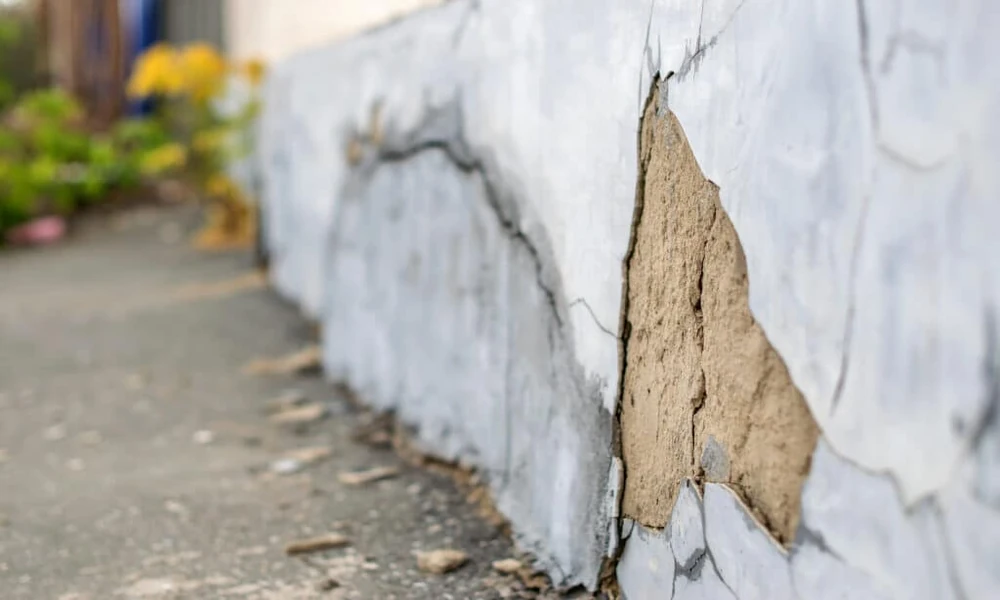
Homeowners often view their property as a static structure, yet a foundation is a dynamic element that responds to the environment over time. In regions with significant temperature fluctuations, such as North Dakota, the earth beneath a structure undergoes a continuous cycle of contraction and expansion. This movement is a natural, ongoing process, but it is also the primary mechanism that leads to cracks in foundation in North Dakota homes. Understanding how these developments unfold can help residents manage their property’s long-term health more effectively.
The Influence of Environmental Cycles on Foundation Health
The ground beneath a residential structure behaves differently depending on the season. When moisture levels shift or frost depths change, the soil may exert varying levels of pressure against basement walls and footings. Over many cycles, this pressure can manifest as subtle changes in the concrete.
What begins as an imperceptible hairline fracture may, over time, develop into a more noticeable gap. This is typically a slow progression rather than a sudden event. For homeowners, the first sign of this evolution is often a change in how doors or windows operate. When a foundation experiences even slight movement, the frame surrounding a door can become skewed, causing it to stick or fail to latch properly. While such issues are common and do not always indicate severe structural failure, they are clear indicators that the underlying support system is reacting to external forces.
Identifying Signs That Require Professional Assessment
Distinguishing between minor cosmetic issues and those that require professional attention is a fundamental skill for the proactive homeowner. Concrete is inherently prone to shrinking as it cures, which can create non-structural surface cracks. However, there are general patterns that warrant a closer look by a qualified professional.
When evaluating the condition of a basement wall, consider the orientation of the crack. Vertical or diagonal lines are often associated with the natural settling of a home, while horizontal fractures or those showing signs of inward bowing can indicate significant lateral pressure from the surrounding soil. If a homeowner observes water intrusion or sees that a crack is wide enough to admit moisture, it serves as a prompt to evaluate drainage and exterior grading. A professional inspection can help determine whether the issue is a normal part of the structure’s aging process or if it requires intervention to prevent further development.
The Role of Egress Window Installation in North Dakota Homes
As homeowners look to improve the utility and safety of their basement spaces, egress window installation in North Dakota has become a frequently discussed project. Beyond the obvious benefits of adding natural light and ventilation, these installations require a precise modification of the existing foundation.
The process of installing these windows involves cutting into the concrete, which is a significant undertaking that must be managed with structural integrity in mind. Because the foundation acts as the primary support for the weight of the home, any opening must be properly reinforced. A well-executed installation typically includes the use of steel headers or other load-bearing supports to redistribute the weight that was previously carried by the solid concrete. When handled with professional oversight, this process can successfully integrate a functional exit point into a basement without compromising the stability of the foundation.
Sustaining Structural Integrity Over the Long Term
Maintaining a home’s foundation is rarely about a single repair; it is about consistent, small-scale management. The most effective way to protect a foundation is to control the environment immediately surrounding the house. Ensuring that gutters are clean and that downspouts direct water away from the foundation perimeter can prevent excess moisture from accumulating in the soil. Consistent moisture levels reduce the likelihood of the soil swelling and contracting too aggressively against the concrete.
Furthermore, monitoring the interior of the basement for any changes is a wise practice. If there are existing patches or repairs from a previous time, checking them annually to see if they remain sealed is a simple but effective habit. If a homeowner finds that cracks are increasing in size or that gaps are appearing where the foundation meets the floor or walls, seeking an expert opinion early is generally advisable. Addressing these issues before they become complex often results in simpler, more manageable solutions.
The long-term picture for a property involves viewing the foundation as a living component of the home that requires occasional attention. By remaining observant of the home’s performance and addressing small shifts as they appear, residents can support the durability of their structure throughout the seasons. While foundations in this region will always be subject to the pressures of the local climate, a proactive approach ensures that the home remains a stable and secure environment for years to come.