
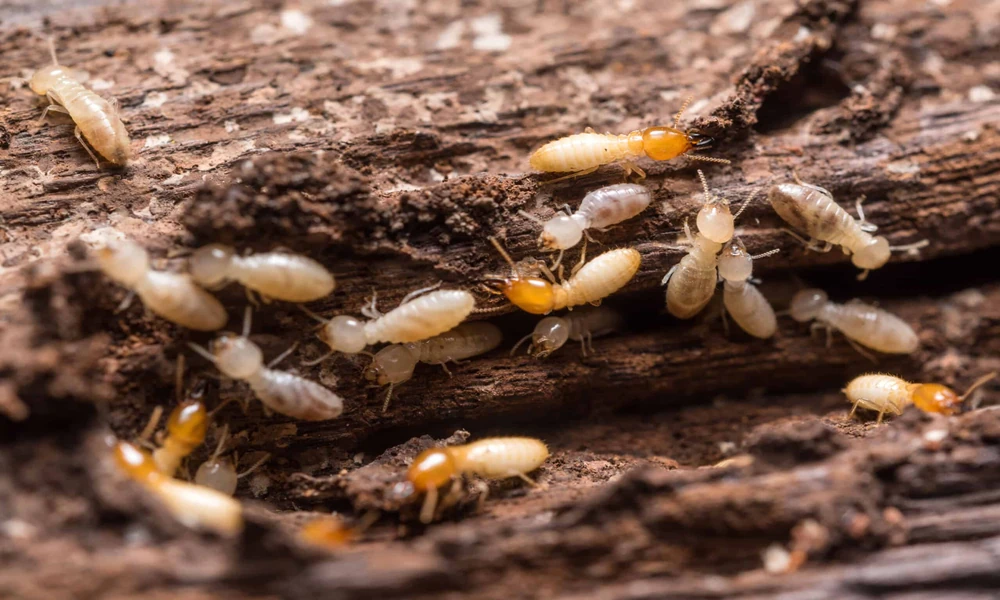
The Ozark Plateau is a raised, rugged stretch of limestone, hills, and hollows. That terrain does more than shape the scenery. The way it holds and moves water creates conditions that are ideal for termites. This is the reason these pests do more expensive damage to Missouri homes than any other insect. Homeowners across southwest Missouri face more termite pressure than they might expect, and any Missouri pest control company worth calling understands that the plateau itself is part of the problem.
Every subterranean termite colony depends on contact with soil, a source of wood, and moisture. The last one is abundant in the Ozarks.
Limestone Terrain Holds Water in Odd Places
The plateau sits on a foundation of limestone and dolomite, a rock that water carves through instead of pooling on top of. Over millennia, this has produced the caves, sinkholes, springs, and underground channels the region is known for. That same karst geology means groundwater moves beneath homes, keeping soil damp in pockets a homeowner would never suspect. A house can sit on ground that looks dry while moisture travels through the limestone beneath it, feeding the subterranean termite colonies that depend on it.
Hills and Hollows Complicate Drainage
The plateau’s constant rise and fall does homeowners no favors. Houses built into slopes and hollows contend with water that runs downhill and collects against foundations. Hillside lots often trap moisture on their downhill side long after rain has passed. Poor drainage is one of the leading contributors to termite activity, and the Ozark landscape manufactures it. Add the region’s substantial spring and summer rainfall, and the soil around many homes stays damp for long periods.
Wooded Lots Put Colonies Close By
Much of the residential Ozarks is carved out of forest, which means homes frequently sit near an abundant natural termite food source. Fallen timber, tree stumps, root systems, and leaf litter in the surrounding woods support established colonies. A home built near the tree line offers termites a straightforward extension of territory they already occupy.
Why the Damage Stays Hidden So Long
The cruel part of a termite problem is how quietly it develops. Subterranean termites work from the inside out, hollowing wood while leaving the surface intact, so a homeowner can go years without visible evidence. In Ozark homes, where crawlspaces and moisture-prone foundations are common, an infestation can feed undisturbed through structural timber before anyone notices. By the time the damage shows itself in sagging floors, hollow-sounding wood, or buckling trim, the repair bill has usually grown considerably. The warning signs worth watching include:
- Mud tubes running up foundation walls or across crawlspace piers. Subterranean termites build these pencil-width soil tunnels to reach your framing from the ground without ever crossing open air, where they’d quickly dehydrate.
- A spring scatter of shed swarmer wings near windows and doors. A small pile of identical, teardrop-shaped wings on a sill or threshold in spring usually means a colony is established nearby, often inside the structure.
- Wood that sounds hollow when tapped. Termites eat wood from the inside out, leaving a thin outer shell intact, so a beam or baseboard can look solid while it’s largely eaten away.
- Floors, door frames, or trim that begin to warp or stick. As termites weaken the wood inside walls and subflooring, the structure shifts.
Given how the plateau works against them, Ozark homeowners come out ahead by treating termite protection as ongoing. Palisade’s technicians assess how a specific property sits on the terrain. They pay attention to how water moves around it, how close the woods stand, and where moisture tends to collect.
The Ozark Plateau will keep channeling water through limestone, collecting moisture in its hollows, and keeping the soil damp beneath homes that look perfectly dry. Termites will keep taking advantage of it. Homeowners who understand why their region is especially prone to the problem can stay ahead of the damage,