
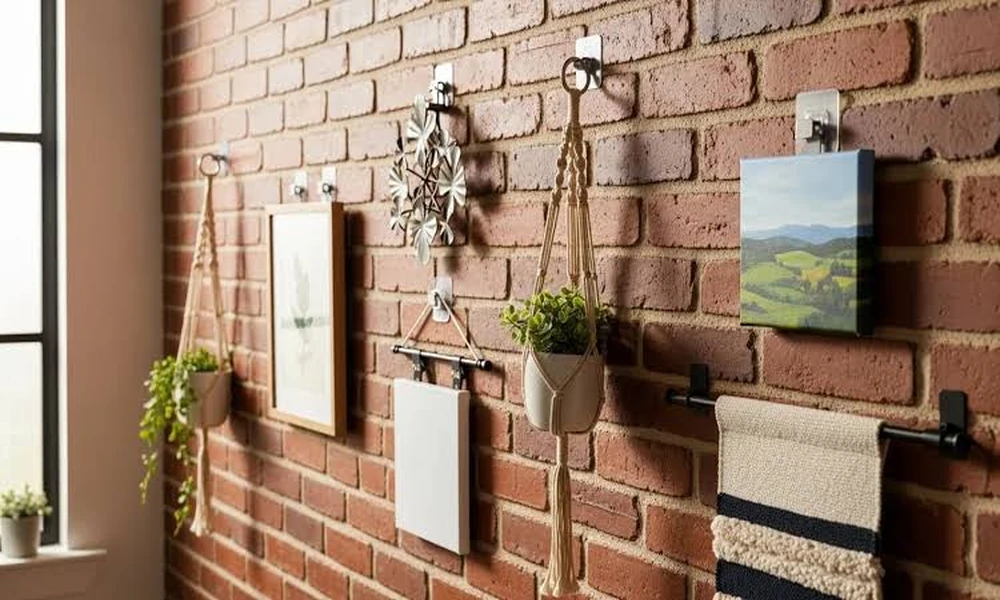
Although hanging art on your wall appears to be a straightforward job, the material of the wall will determine the safety and stability of the frame. There are three types of walls that need to be addressed when hanging frames: plasterboard, brick and concrete. Each type has its own load-bearing capability and therefore requires specific hanging techniques.
Professional installation of your artwork, particularly if you are hanging a large painting, framed photograph or something expensive, is essential to ensure that the proper hook/wall plug is used to avoid damage to the wall and/or loss of the artwork itself.
Hanging Artwork on Plasterboard Walls
Plasterboard is common in modern Australian homes and offices. It is an easy material to use, however, it does not provide enough support for heavy artwork using standard nails or screws.
Professional installers will begin by checking your walls for the best places to hang your artwork. They will then determine what type of mounting method is needed based upon the weight of the artwork.
- Plasterboard anchors for lighter frames
- Toggle bolts for heavier pieces
- Screws fixed directly into wall studs
- Specialised picture hooks for suitable loads
The selection of a correct fixing location is crucial. A correct selection will help avoid the possibility of the artwork pulling off the wall as it ages.
Installing Artwork on Brick Walls
A brick wall provides a great base for hanging pictures, however, hanging pictures on a brick wall takes a different technique than hanging on drywall. Normal picture hangers are generally not effective on the hard surface of brick.
When installers need to make a suitable fixing point, they will typically use a drill with a masonry bit. After creating the hole for the fixing point, they can select the appropriate masonry plugs and screws to secure the item.
It’s very important to select the most appropriate drilling site. While mortar joint drilling might work for some applications, this decision should be based upon several factors, including load, wall condition, and the type of fastening used.
Professional art hanging services will inspect the brick work, then choose the appropriate hardware for securing your artwork.
Handling Concrete Walls
Drilling into concrete is difficult due to its strength and durability. However, if you use the appropriate tools and have experience, you can drill into concrete.
Heavy art, mirrors, and large framed works may require the use of masonry anchors or special concrete fasteners. Additionally, installers should verify there are no hidden pipes, wiring, etc., prior to making holes.
The correct measurement of a wall is just as critical. If you make many unnecessary holes in a concrete wall, it will be very difficult to fix.
Why Artwork Weight and Frame Type Matter
There are many factors that influence how an art piece is installed, including the type of wall on which it will hang, as well as the size, weight and style of the art itself.
For example, a lightweight print requires different support than a large framed picture.
Depending upon the stretcher bar type, frame depth, and total weight of the piece created by custom canvas framing, there could be different methods for hanging.
The installers need to base their selection of fixing materials upon the entire artwork, not just the visual aspects of the fixing.
Getting the Right Position and Finish
The way you install your artwork safely is as important as the presentation of the art. When installing artwork, position it at an appropriate viewing height for the room.
Professional art hanging services are able to produce visually pleasing and symmetrical gallery wall arrangements, align numerous individual frames, and provide sufficient support for heavier works of art.
Choosing the proper installation method for your custom canvas framing display can help protect your artwork as well as enhance the visual appeal of it.