
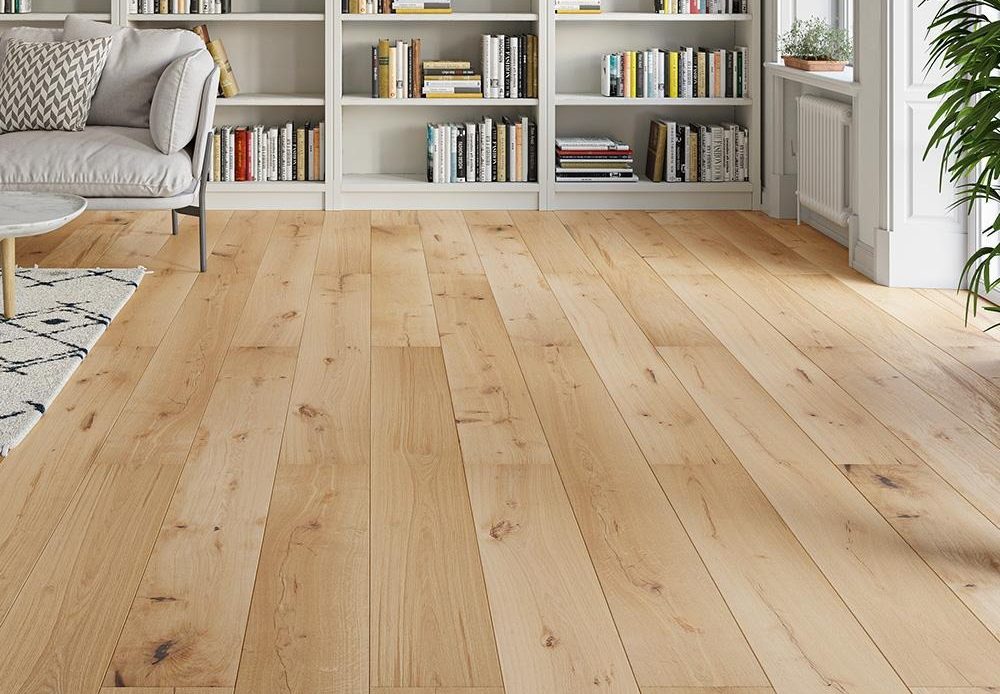
Choosing the right flooring for your home is a big decision. It affects not just the look of your space but also comfort, durability, and long-term maintenance. Two of the most popular options homeowners consider today are wooden flooring and tiles. Each has its advantages and drawbacks, and the best choice depends on your lifestyle, budget, and design preferences. In this blog, we will break down the key differences to help you decide which flooring option suits your home best.
Appearance and Aesthetics
Wooden Flooring
Wooden flooring adds warmth, elegance, and a natural charm to any room. From light oak to deep walnut, wood comes in a variety of shades, grains, and finishes, making it versatile for modern, classic, or rustic interiors. Its rich texture and smooth finish make it visually appealing, and it often increases the perceived value of your home.
Tiles
Tiles offer a wide variety of colors, patterns, and textures. They can mimic natural materials like stone, marble, or even wood, and are available in both glossy and matte finishes. Tiles are ideal if you want a sleek, contemporary look or patterned designs. However, they may feel colder and less cozy than wooden floors.
Verdict: If you want a warm, timeless aesthetic, wooden flooring wins. If you want a bold, customizable look, tiles are perfect.
Durability and Lifespan
Wooden Flooring
Solid wood floors can last 20–30 years or more with proper care. Engineered wood, which is more moisture-resistant, can last 15–20 years. Wood is prone to scratches, dents, and water damage, so it may not be ideal for areas like bathrooms or kitchens without proper sealing.
Tiles
Tiles are extremely durable. Ceramic or porcelain tiles can last decades without showing much wear. They resist scratches, stains, and water damage, making them a great choice for high-traffic areas, kitchens, and bathrooms.
Verdict: Tiles are more durable and low-maintenance, while wood requires care but offers unmatched warmth and style.
Comfort and Warmth
Wooden Flooring
Wood naturally feels warmer underfoot compared to tiles. It is comfortable to walk on and provides insulation, keeping your home cozy during colder months. Wood can also improve indoor acoustics, reducing echoes in large spaces.
Tiles
Tiles are cooler and can feel hard underfoot. This can be ideal in hot climates, but in cooler regions, they may feel uncomfortable without rugs or underfloor heating. Tiles can also amplify sound, making spaces feel more echoey.
Verdict: Wooden flooring is more comfortable and cozy, while tiles are better for keeping homes cool.
Maintenance
Wooden Flooring
Wood requires regular maintenance to stay in good condition. Sweeping, vacuuming, and occasional polishing are essential. Spills should be cleaned immediately to prevent stains or warping. Over time, wood may need refinishing to restore its shine.
Tiles
Tiles are easier to maintain. Regular sweeping and mopping are usually enough. They are resistant to spills, stains, and water damage. Grout lines, however, may require occasional cleaning to prevent discoloration.
Verdict: Tiles are low-maintenance, while wooden floors need ongoing care to retain their beauty.
Cost Considerations
Wooden Flooring
Solid wood is more expensive upfront, and installation costs can be higher due to labor and finishing. Engineered wood is a more affordable alternative. Over time, the need for refinishing and repair can add to the cost.
Tiles
Tiles are generally more budget-friendly, with a wide range of price points depending on material, design, and quality. Installation is straightforward, and maintenance costs are minimal, making tiles cost-effective in the long run.
Verdict: Tiles are more budget-friendly upfront and over time, while wood requires a higher initial investment and maintenance costs.
Where to Install Each Flooring Type
Wooden Flooring: Ideal for living rooms, bedrooms, and hallways. Avoid high-moisture areas unless using engineered wood with proper sealing.
Tiles: Perfect for kitchens, bathrooms, balconies, and areas prone to spills. Great for high-traffic zones due to durability.
Sustainability
Wood can be eco-friendly if sourced from sustainably managed forests. Engineered wood also uses less raw timber. Tiles can be made from natural materials like clay or recycled glass, making them environmentally responsible depending on the manufacturer.
Conclusion: Which Should You Choose?
The choice between wooden flooring and tiles ultimately depends on your priorities:
Choose wooden flooring if you want a cozy, timeless, and elegant look. It works best in living areas and bedrooms where comfort and warmth are important.
Choose tiles if you want durability, easy maintenance, and a modern or versatile design. They are ideal for high-traffic and moisture-prone areas.
Many homeowners combine both, using tiles in wet areas like kitchens and bathrooms and wood in bedrooms and living rooms, achieving the perfect balance of style, comfort, and practicality.
Whichever option you choose, investing in quality materials and professional installation will ensure your flooring looks stunning and lasts for years.