
Potato-and-onion pierogies can give a meatless dinner a clear savory direction from the start. Choose them because you want that filling, then add vegetables and a finish that suit it. You do not have to design the meal around replacing cheese or imitating a meat dish. The onion filling can be the reason for the plate.
Let the onion filling set the savory direction
Holy Perogy’s Sizzlin’ Fried Onion is a full-size, plant-based variety filled with potato and onion. That description supplies a concrete starting point: the onion is inside the dumpling. A topping of onions is therefore a separate choice, not something needed to make the named flavor appear in the meal.
Think about the foods you already enjoy with savory onion. You might prefer a tart accompaniment, a green vegetable, or a simple finish that leaves the filling prominent. These preferences can guide dinner without requiring a long recipe. The central question is what you want beside the dumplings, not what the meal is supposedly missing.
Keep the product description distinct from broader claims. Plant-based describes the variety as presented by the brand; it does not establish that the entire meal meets every dietary requirement. The current package remains relevant for ingredients and allergens. All eight varieties in the range contain wheat, so a plant-based choice should not be mistaken for a wheat-free one.
If cooking for someone else, ask what meatless means for their meal. A person may avoid meat while eating dairy, or may want all components to be plant based. Agree on the intended meal before choosing the finish. This prevents an otherwise suitable filling from being paired with an addition the guest did not want.
Choose vegetables that offer a different note
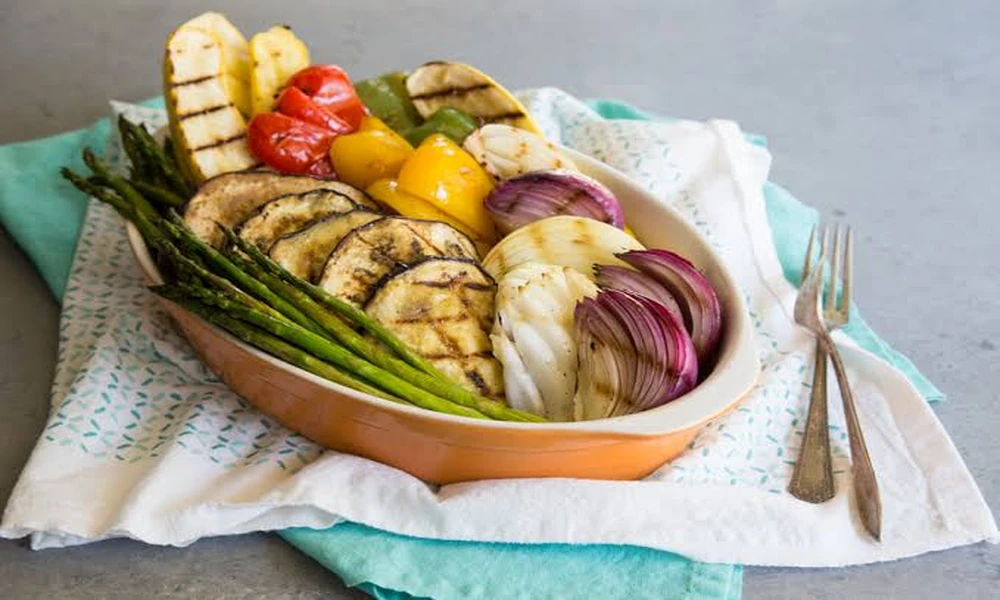
Look for an accompaniment that contributes something identifiable. Crisp vegetables could contrast with the potato filling; a tart vegetable preparation could offer another flavor. The point is not to follow a universal balancing formula. It is to give the plate more than one experience without obscuring the food you selected.
A fresh cucumber side, for example, would move the meal in a different direction from additional cooked onions. Both could be enjoyable, but they answer different preferences. Choose the one you want that evening rather than treating every possible accompaniment as necessary. A short menu can still feel considered.
When comparing the range of full-size and mini pierogies in Virginia Beach, note how the filling descriptions differ. Crazy Wild Mushroom combines potato and onion with white, portabello, and porcini mushrooms, while Sassy Sweet Potato includes sweet potato, potato, and garlic. Those are different flavor directions, even though all three named varieties are plant based.
For this meal, staying with potato and onion can simplify the vegetable choice. You are not trying to make a side suit every filling in the range. Choose one accompaniment that works with the selected dumpling and fits your preparation plans. Save the mushroom or sweet-potato pairing for another dinner if it interests you.
Consider a finish without automatically adding butter
A finishing ingredient should follow the meal you intended. Butter may be welcome in some meatless meals, but it is not a plant-based addition. If the goal is an entirely plant-based plate, choose any finish with that requirement in mind and check the ingredient information of prepared sauces rather than guessing from their names.
You may also decide that no elaborate topping is needed. Taste the prepared dumplings with the accompaniment before adding another layer. A small amount of an appropriate herb or condiment could be enough for your preference, or the filling may be the part you most want to notice. Restraint can be a deliberate flavor choice.
Keep preparation and finishing separate in your thinking. Follow the current package directions to cook the frozen, uncooked product. A serving idea about herbs or sauce does not authorize changing the cooking method. First prepare the dumplings properly; then decide what belongs on the finished plate.
If several people share the meal, a separate finish can leave room for individual preferences. Someone who likes a stronger accent can add it, while another can enjoy the potato and onion more plainly. The table does not need several competing sauces to provide that flexibility; one considered option may be enough.
Read each addition against the meal you intended
Review the whole plate before shopping. A plant-based central item can be accompanied by a dressing, broth, or garnish that changes the meal’s ingredients. Read labels when a requirement matters, and ask the person you are feeding if there is uncertainty. The product name alone cannot answer questions about everything else you add.
Apply the same attention to taste. If the side and topping both emphasize onion, decide whether that repetition is welcome. If you wanted contrast, change one of them. You do not need to reject the filling; the accompaniment may be the only part that needs adjustment.
Before serving, tell diners which finish is intended for the shared meal and which additions are optional. If someone has chosen a plant-based dinner, keep that choice easy to follow at the table. The care taken in selecting the filling should carry through to the vegetables, dressing, and condiments beside it.
Let the next potato-and-onion dinner develop from that experience. Keep the accompaniment that made the filling enjoyable, or change the finish if it distracted from it. The onion variety can remain a positive choice in its own right, with a place in the grocery list because you like eating it.