
Publication Date: March 19, 2025
Keeping pond water clean and balanced can be challenging, especially during warmer seasons or bright sunny days when algae can grow quickly. Excess algae can turn pond water green, reduce visibility, and disturb the overall balance of the ecosystem. Because of this, many pond owners look for reliable solutions that can help maintain healthy water conditions.
One of the most effective tools used in pond filtration systems is a UV clarifier. This device works alongside your existing filtration system to control algae and improve water clarity. It can be installed as part of a pond filter or used as a separate unit connected to the filtration setup.
Below is a helpful guide explaining how UV filtration works, why it plays an important role in maintaining pond health, and how to determine the correct UV size for your pond.
What Does UV Filtration Do?
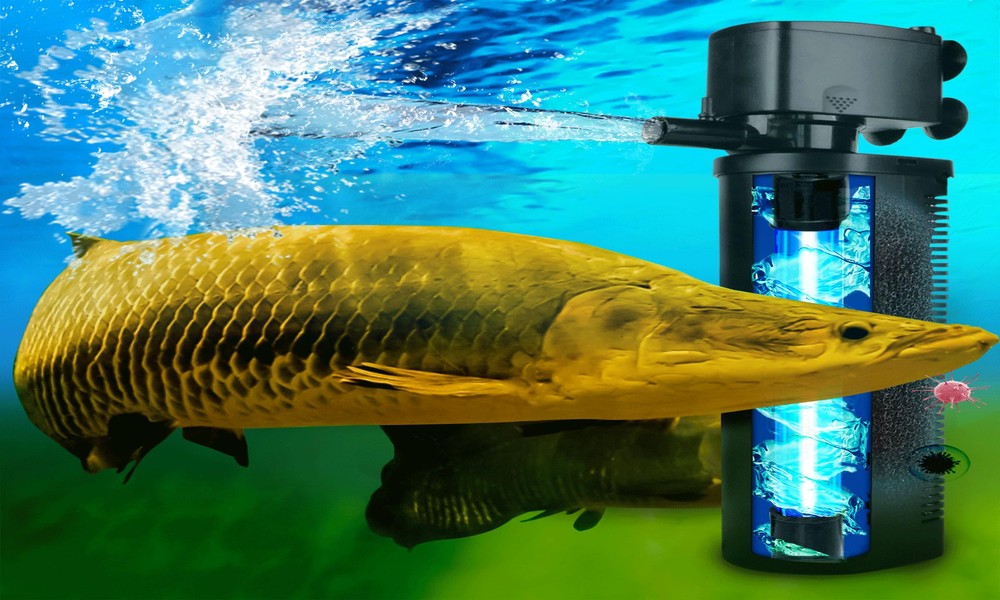
UV filtration works by using ultraviolet radiation to treat water as it passes through a chamber containing a UV bulb. The ultraviolet light helps disinfect the water and reduce algae particles that float freely within it. When used together with a suitable filter system, the UV unit helps keep the water clean and balanced.
By controlling algae growth and reducing harmful microorganisms, UV filtration allows the pond ecosystem to stabilize more quickly. As the pond becomes balanced, the natural chemical levels in the water settle faster. This helps reduce the need for constant maintenance and can save both time and money for pond owners.
An important advantage of UV clarifiers is that they do not harm fish or the beneficial bacteria that support the pond’s natural biological processes. These helpful bacteria live on surfaces throughout the pond such as gravel, stones, plants, and the biological media inside filters.
Because these bacteria remain attached to surfaces, they are not directly exposed to the UV light inside the clarifier. This means they can continue performing their important role of breaking down waste and maintaining water quality.
By limiting the growth of algae and reducing harmful bacteria in the water, UV filtration also helps prevent the spread of certain microorganisms between fish. This can support a healthier pond environment and improve the overall well-being of aquatic life.
How a UV Clarifier Works
A UV clarifier works by treating water as it flows through a chamber containing a UV bulb. As pond water passes close to the bulb, it is exposed to ultraviolet light.
This light disrupts microscopic algae cells floating in the water. When these algae particles are exposed to UV radiation, they lose their ability to multiply and begin to clump together in a process sometimes referred to as flocculation.
Once these tiny algae cells form larger clumps, they become easier for the pond’s mechanical filter to capture. Mechanical filtration materials such as filter foams, brushes, and cartridges then trap these particles and remove them from the water.
By combining UV treatment with mechanical filtration, pond owners can significantly reduce algae buildup and maintain clearer water. This process also helps prevent conditions that might allow harmful bacteria to thrive due to excessive organic matter in the pond.
Many pond filters already include built-in UV bulbs as part of the filtration system. In other cases, UV clarifiers are installed as external units that work alongside the main filter.
External UV clarifiers are placed outside the filter system but operate in the same way. Water flows through the unit, passes the UV bulb, and then continues through the filtration system. This allows pond owners to increase their UV capacity if needed.
For example, if a pond filter includes a smaller UV bulb, an additional external UV clarifier can be added to increase the overall level of UV treatment. This is especially useful for larger ponds or ponds with heavier fish populations.
Choosing the Correct UV Steriliser Size
Selecting the right size UV clarifier is important for maintaining effective algae control. In many cases, when purchasing a pond filter that includes a UV bulb, the bulb size is matched to the recommended pond size for that filter.
However, there are situations where the standard UV power may not be sufficient. This often happens in ponds that contain a large number of fish or in ponds specifically designed for larger species that produce more waste.
In these situations, additional UV capacity may be needed to keep the water clear and balanced.
The following general guidelines can help determine the appropriate UV power for different types of ponds:
- A wildlife pond typically requires about 1 watt of UV power per 1,000 liters of water. In many cases, wildlife ponds do not require UV filtration because they rely more on natural plant balance and lower fish populations.
- A goldfish pond generally requires 2 watts of UV power per 1,000 liters of water. This level helps control algae while supporting the moderate waste levels produced by goldfish.
- A koi pond usually requires 4 watts of UV power per 1,000 liters of water. Koi fish are larger and produce more waste, which increases the risk of algae growth and cloudy water.
These guidelines can help pond owners determine whether their current UV system is powerful enough or whether additional UV support may be needed.
Another important maintenance step is replacing the UV bulb regularly. Even though the bulb may still appear to be glowing, its ability to produce effective ultraviolet radiation slowly decreases over time.
For best results, UV bulbs should typically be replaced after about six months of continuous use. Regular replacement ensures that the UV clarifier continues to perform effectively and maintain clear water.
Conclusion
UV filtration is one of the most effective tools available for maintaining clean and healthy pond water. By reducing algae growth and controlling harmful microorganisms, UV clarifiers support a balanced pond ecosystem while improving water clarity.
When combined with a proper filtration system, UV treatment helps stabilize the pond environment faster and reduces the effort needed to maintain water quality. It works safely alongside beneficial bacteria and does not harm fish or other pond life.
Choosing the correct UV size for your pond, installing the unit properly, and replacing the bulb regularly will help ensure that the system continues working efficiently. With the right setup, UV filtration provides a simple and reliable way to keep pond water clear, healthy, and visually appealing throughout the year.