
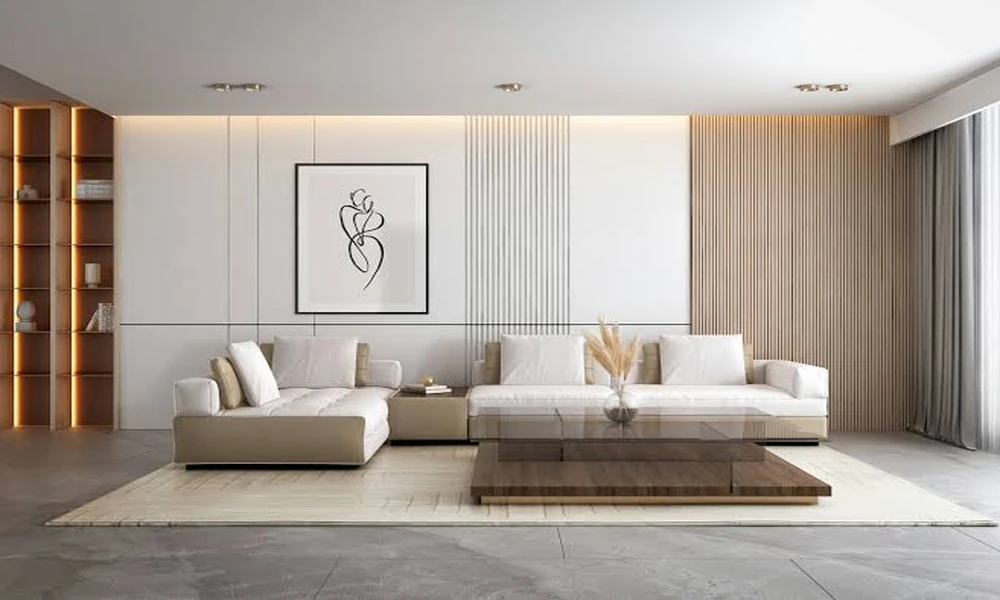
Scrolling through interior designer north wales i nspiration online can leave you with a folder full of beautiful rooms and no clearer idea of what you actually want. Scandinavian minimalism looks calming in photos, industrial loft style looks striking, and traditional country interiors look timeless, but trying to combine all three in one house rarely works. The key to a home that feels coherent rather than chaotic is understanding what each style really involves and how it fits your lifestyle, not just how it photographs.
Start With How You Live, Not How You Want to Look
Before opening a single mood board, think honestly about your daily routine. Do you have young children or pets who need durable, easy to clean surfaces? Do you work from home and need a quiet, distraction free corner? Do you entertain often, or do you mostly want a private retreat at the end of the day? A style that ignores these practical realities will always feel like a compromise, no matter how attractive it looks.
Understand the Major Styles Before Picking One
Scandinavian design favours light woods, neutral palettes, and functional furniture with clean lines. It works well in smaller spaces because it relies on light and simplicity rather than clutter.
Industrial style borrows from converted warehouses and factories, with exposed brick, metal fixtures, and a raw, unfinished quality. It suits open plan spaces with high ceilings and can feel cold in smaller, more enclosed rooms.
Traditional interiors use richer colours, classic furniture shapes, and layered textiles. This style tends to age well and rarely looks dated, which makes it a sensible choice for a long term family home.
Modern farmhouse blends rustic textures with contemporary shapes, often mixing reclaimed wood with clean white walls. It has become popular partly because it bridges the gap between cosy and current.
Mid century modern brings back the tapered legs, warm wood tones, and bold accent colours of the 1950s and 60s. It photographs beautifully and pairs well with plants and organic shapes.
None of these styles is inherently better than another. The right choice depends on your existing architecture, your climate, and how much maintenance you are realistically willing to do.
Build a Palette Before You Buy Furniture
One of the most common mistakes is buying statement furniture before settling on a colour palette. Choose two or three core colours and a couple of accent shades first. This gives you a framework to test every future purchase against, which saves money on pieces that end up clashing or getting sold on within a year.
Let Natural Light Guide Your Decisions
A room that faces north will read colours differently to one that faces south. Cool colours can look flat and grey in low light, while warm tones tend to hold their character throughout the day. Before committing to paint or fabric, view samples in the room at different times of day, not just under a shop’s lighting.
Mix Textures, Not Just Colours
A room built entirely from one texture, all matte, all glossy, all smooth, tends to feel flat regardless of how well the colours coordinate. Combining a woven rug, a linen sofa, and a lacquered side table creates visual depth even within a restrained colour palette. This is often what separates a room that looks professionally designed from one that simply looks coordinated.
Don’t Be Afraid to Blend Styles
Very few real homes stick rigidly to one design category. A traditional living room with a few mid century accent chairs, or an industrial kitchen paired with soft traditional textiles in the adjoining dining space, often feels more personal and less like a showroom. The goal is coherence, not purity of style.
Give It Time
Good interiors are rarely finished in a single weekend. Live in a space for a few weeks before making final decisions on larger, more expensive pieces. Needs and preferences often shift once you have experienced how light moves through a room across a full day, and how furniture placement affects daily movement through the space.
Choosing a style you love and can live with long term comes down to matching aesthetics with function, testing choices in context, and resisting the urge to copy a look wholesale from a photograph. A home designed with professional interior designers around how you actually live will always feel more successful than one designed purely to impress.